简体中文
简体中文

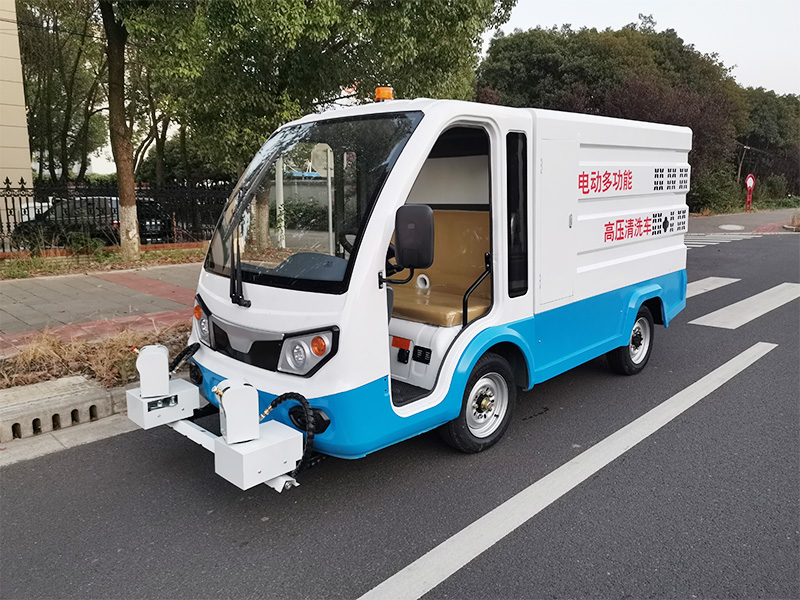
The QX-350L Pure Electric Tricycle High-Pressure Cleaner has emerged as the preferred equipment for scenarios such as urban environmental sanitation, rural improvement, and park cleaning, thanks to its core advantages of compact flexibility, high-efficiency cleaning, and eco-friendly energy conservation. Given the diverse configuration versions available on the market and varying procurement needs, purchasers should make precise judgments based on four core dimensions—scenario adaptation, core configurations, compliance assurance, and after-sales operation & maintenance—to select the equipment with optimal cost-effectiveness and practicality. Below is a detailed breakdown of key purchasing considerations.
I. First, Define the Scenario: Match Core Parameters to Operational Requirements
The primary prerequisite for purchasing the QX-350L is to clarify the operational scenario. Different scenarios impose distinct requirements on equipment dimensions, battery life, and cleaning intensity, necessitating targeted parameter matching:
Cleaning of Urban Back Alleys/Old Town Districts
The core pain points of these scenarios include narrow roads (mostly 1.5-2 meters wide), scattered cleaning spots, and the need to avoid noise pollution.
Priority should be given to verifying whether the QX-350L’s standard dimensions (3300×1000×1600mm) are suitable to ensure the vehicle can maneuver flexibly through narrow lanes and around corners.
Meanwhile, pay attention to battery life; it is recommended to choose a battery with a capacity of 60V 32Ah or higher to support 3-4 daily cleaning routes without frequent recharging.
Noise levels must comply with the standard of ≤55 decibels to prevent disturbances during operations in densely populated residential areas.
For removing stubborn stains such as oil spills and grime in curb gaps, confirm that the high-pressure pump delivers a pressure of no less than 350 bar, paired with a 360° adjustable spray nozzle to enhance cleaning precision.
Rural Living Environment Improvement
Rural roads are mostly gravel or uneven surfaces, with diverse needs including irrigation and drainage ditch dredging.
Focus on the vehicle’s chassis performance; prioritize configurations with a heavy-duty tricycle chassis and oversized vacuum tires to ensure stability and wear resistance on complex terrain.
For water tank capacity, the standard 350L model is recommended to meet the continuous operation needs of full-village cleaning.
Prefer versions that support dual modes—high-pressure washing and sprinkler irrigation—to achieve multi-functional operation and improve equipment utilization.
Additionally, rural operation environments may lack convenient access to water and power sources; confirm that the vehicle is equipped with user-friendly water filling ports and fast-charging capabilities.
Industrial Park/Workshop Cleaning
The core requirements of industrial scenarios are removing stubborn contaminants like oil stains and iron filings while complying with environmental regulations.
Verify the high-pressure cleaning system to ensure a maximum pressure of over 350 bar, sufficient to effectively strip oil from workshop floors.
For enclosed workshop operations, confirm the vehicle’s zero exhaust emission feature enabled by pure electric drive, and ensure it is equipped with a wastewater recovery system to avoid secondary pollution from unregulated discharge of cleaning wastewater.
For long-distance operations within factory premises, select a battery configuration with a range of ≥80 km, and confirm a minimum ground clearance of ≥140mm to adapt to ramps, speed bumps, and other terrain features in the park.
II. Inspect Core Configurations in Detail: Avoid False Labeling Traps and Ensure Durability
Core configurations directly determine the operational efficiency and service life of the QX-350L. During procurement, carefully inspect key components to avoid common market pitfalls such as false labeling and component downgrading:
Power and Battery System
The battery is the core of electric equipment; prioritize well-known brands such as Tianneng and Chaowei for maintenance-free lead-acid batteries or lithium batteries, and avoid purchasing refurbished batteries.
Require suppliers to clearly mark battery parameters (e.g., 60V 32Ah) and provide warranty certificates. Typically, lead-acid batteries should have a warranty of no less than 12 months, while lithium batteries should have a warranty of no less than 24 months.
For the motor, opt for a 1000-1500W differential motor. Conduct on-site tests of its ability to start on a 30° slope to ensure sufficient power for heavy-load operations and prevent motor burnout.
Verify the quality of the controller; choose products with a waterproof rating of IP54 or higher to adapt to humid outdoor working environments.
High-Pressure Cleaning System
The high-pressure pump is critical to cleaning performance; confirm its rated pressure and flow rate, and avoid being misled by false “peak pressure” claims.
Prefer DC variable-frequency brushless high-pressure cleaners—unlike conventional motors, these operate only when water is discharged, effectively saving power and extending service life.
Inspect the quality of the high-pressure water hose; choose pressure-resistant, anti-aging rubber hoses with a length of no less than 15 meters, paired with an automatic hose reel for enhanced operational convenience.
Ensure the nozzle set includes multiple types (e.g., fan-shaped, circular) that can be switched for different cleaning scenarios, guaranteeing comprehensive coverage and precision.
Body and Safety Configurations
For the body frame, select thickened high-carbon steel; check for uniform, firm welding with no deformation or incomplete welds to ensure load-bearing capacity meets standards.
In terms of safety features, prioritize a front disc and rear drum brake system with a braking distance of ≤4 meters at a speed of 20km/h, paired with hydraulic shock absorbers to improve driving stability and comfort.
A wheelbase of ≥1.5m is recommended to reduce rollover risks.
Confirm the vehicle is equipped with a complete lighting system (headlights, turn signals, brake lights) to meet nighttime operation needs.
The battery compartment must be fully sealed with waterproof and moisture-proof functions to adapt to complex outdoor environments.
III. Verify Compliance and After-Sales Service: Ensure Hassle-Free Procurement and Convenient Maintenance
Compliance and comprehensive after-sales service are crucial guarantees for purchasing the QX-350L, especially for bulk procurement by government sanitation departments and enterprises. Focus on the following key points:
Compliance Certifications
Confirm the vehicle has obtained 3C certification and is listed in the MIIT (Ministry of Industry and Information Technology) catalog to ensure it can be legally registered and licensed, avoiding seizure risks associated with non-standard vehicles.
For bulk orders, require suppliers to provide qualification documents such as business licenses and product test reports. If necessary, request past supply cases (e.g., municipal sanitation procurement contracts) to verify product reliability.
Customization Services
Confirm whether suppliers support customized modifications based on actual operational needs. For example, urban sanitation operations may require unit logos to be printed on the vehicle sides; rural operations may need sunshades installed; industrial parks may require upgraded wastewater recovery systems.
Communicate customization requirements in advance, clarify modification plans and additional costs to avoid rework later.
After-Sales Service and Maintenance
Prioritize suppliers with an extensive network of after-sales outlets and prompt response capabilities. Confirm the vehicle has a whole-unit warranty of no less than 1 year, and core components such as the motor and controller have a warranty of no less than 2 years.
Clarify the after-sales response time—require 24-hour turnaround for fault reports—and confirm on-site repair services are available in remote areas.
Inquire about spare parts availability to ensure easy procurement and replacement of wear-and-tear components (e.g., nozzles, hoses, brake pads) to prevent operational disruptions due to part shortages.
For bulk purchases, request free operator training to ensure personnel master correct usage and maintenance methods.
IV. Practical Procurement Recommendations: Test-Drive Verification and Contract Documentation
On-Site Test Drive
Conduct an on-site test drive before purchasing to check for smooth starting, flexible steering, and responsive braking. Verify that high-pressure water flow is stable during operation with no leaks or abnormal noises.
Focus on testing scenario adaptability—e.g., cornering in narrow alleys, climbing ability, and high-pressure cleaning effectiveness—to ensure alignment with actual needs.
Pricing and Payment Terms
The market price of the QX-350L varies significantly by configuration, typically ranging from 20,000 to 30,000 RMB per unit. Compare quotes from multiple suppliers; avoid prioritizing low prices at the expense of quality.
For payment terms, it is recommended to adopt a deposit + final payment upon acceptance model. For bulk orders, reserve a 5%-10% warranty deposit to be paid upon expiration of the warranty period to protect your interests.
Contract Documentation
Sign a formal procurement contract specifying key details such as vehicle configuration parameters, battery brand, warranty period, customization requirements, and delivery time. Avoid relying on verbal agreements.
Require suppliers to provide invoices and product certification of conformity, which serve as the basis for licensing, reimbursement, and rights protection.
During acceptance, carefully verify that the vehicle configuration matches the contract and test all functions before confirming receipt.
In summary, purchasing the QX-350L should be centered on scenario requirements, with precise parameter matching, rigorous inspection of core configurations and compliance certifications, and guaranteed comprehensive after-sales service and maintenance. Through a scientific procurement process, you can ensure the purchased equipment not only meets operational needs but also delivers high cost-effectiveness and durability, truly realizing the value of refined cleaning.